Customer Avatars

Understanding who we serve and how we help

Four distinct customer profiles representing different needs, budgets, and motivations. Each avatar helps us tailor our messaging, products, and approach to deliver real value where it matters most.

Download Avatar Assets

Individual avatar summary cards for presentations and reference

Sarah Mitchell

37 years old • Remuera, Auckland

Household
Partner James (IT consultant) + Mia (8) + Sam (11)
Work
Marketing Manager at tech startup
Home
Renovated villa, 200m² section
Values
Quality time, health, sustainability
Social Media
Instagram stories of family activities
Shopping Habits
Farro, organic sections, reads reviews

Who Sarah Really Is

Sarah's day starts at 5:30am checking emails before the chaos begins. She's the family organizer—meal planning on Sundays, coordinating kids' activities, juggling work calls between school pickups. She scrolls Pinterest for "easy family meal prep" and saves posts about "teaching kids responsibility." She genuinely wants to model healthy choices but often defaults to convenient options when time gets tight.

Her secret fear: That she's raising kids who think food comes from supermarkets and don't understand where anything actually grows. She imagines them as adults not knowing basic life skills.

What makes her tick: Seeing her kids engaged and learning something real. When Sam successfully grows something or Mia takes pride in helping with dinner prep, Sarah feels like she's winning as a parent.

What irritates her: Products that promise easy but aren't actually easy. Complicated instructions. Garden center staff who talk down to her or assume she knows plant names. Anything that creates more work for her already-full schedule.

How Sarah Discovers & Decides

Research process: Googles "easy garden for kids Auckland," reads multiple blogs, checks reviews and testimonials. Joins local parenting Facebook groups to ask for recommendations.

Decision triggers: School holidays approaching and needs activities. Instagram ad that shows real families with successful gardens. Friend mentions their kids loving harvest time.

Buying concerns: Will it actually work? Is maintenance realistic? What if plants die? Will kids stay interested?

Sarah Using Let's Grow Home

Garden consultation: Books Saturday morning appointment, appreciates you asking about their actual schedule and sun exposure. Takes photos to show James later.

Installation day: Kids hover around asking questions. Sarah makes coffee for the team, takes "before/after" photos for Instagram story. Feels excited but slightly anxious about keeping it alive.

First harvest: Sam picks cherry tomatoes for his lunchbox. Mia helps make salad with their lettuce. Sarah posts photo: "They actually grew this! 🍅" Gets 47 likes from other parents.

Kawakawa balm: Uses after gardening with kids. Keeps small tin in car for soccer scrapes. Appreciates single-ingredient approach—feels safe for family use.

Workshop attendance: Books "Grow Basics" for after Easter holidays. Brings kids to hands-on session. Values take-home materials she can reference later.

What Sarah Wants

  • Fresh produce for the family without the supermarket premium
  • Teaching kids where food comes from and how to care for living things
  • A beautiful, productive space that doesn't require constant maintenance
  • Natural skincare that works for active outdoor life
  • Weekend family activities that are educational and fun

Pain Points & Challenges

Limited time for garden maintenance, worried about plant failure, wants professional results without professional upkeep. Needs systems that work even during busy work periods.
$3,000 - $5,000 annually
Values quality and convenience, willing to invest for long-term success

Perfect Products for Sarah

Home Harvest Garden (Family) Seasonal Care Plan Grow Basics Workshop Kawakawa Daily Balm (60g) Kawakawa Outdoor Stick
I want my kids to know that tomatoes don't grow in plastic packages, but I need something that actually works with our real life, not some Pinterest fantasy.

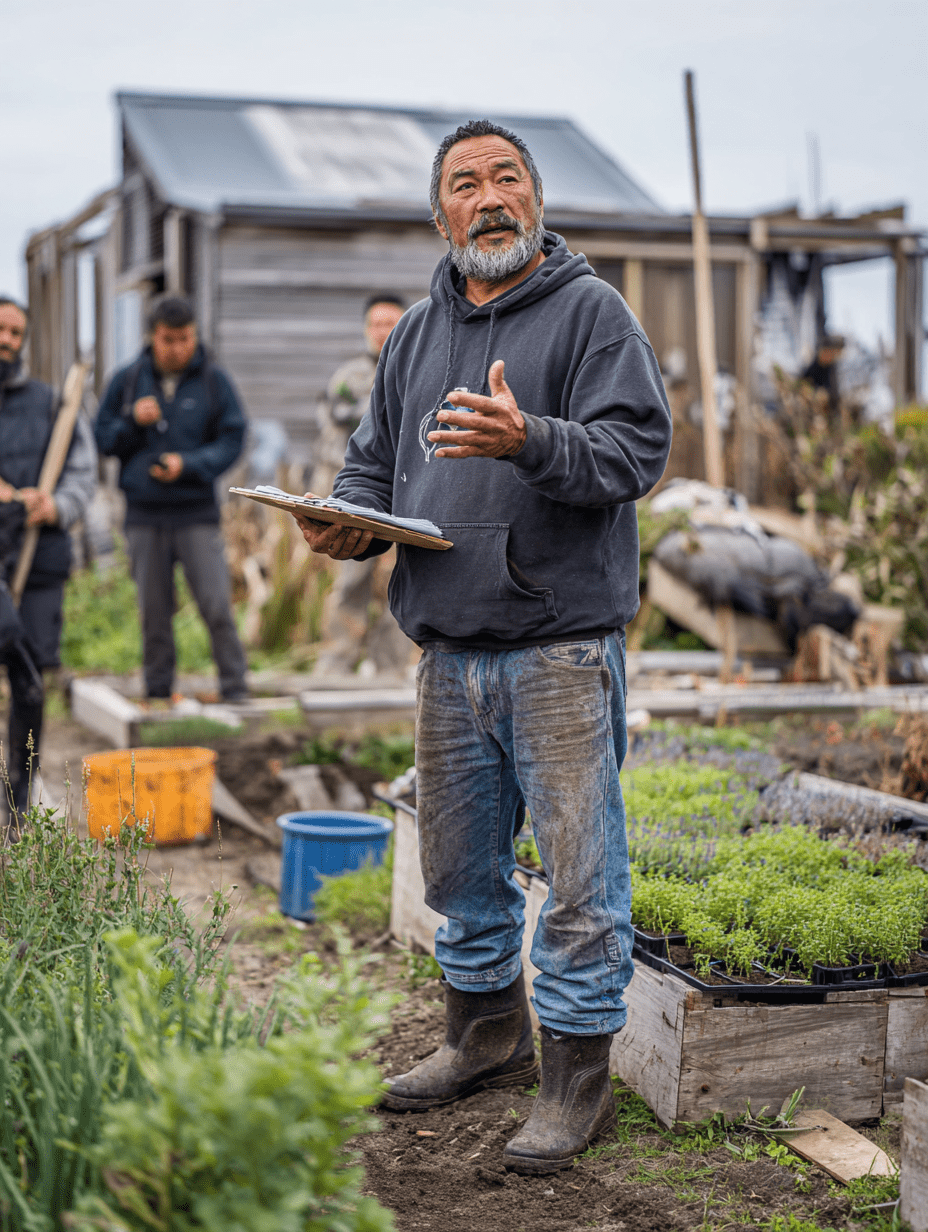
David Henare

50 years old • Ōtara, Auckland

Family
Wife Aroha + 3 adult kids, 5 mokopuna
Work
Community Development Officer, Te Whānau o Waipareira
Marae Role
Committee Chair, 15 years service
Education
Social Work degree, Te Reo fluent
Networks
School boards, health committees, iwi groups
Transportation
2015 Holden Commodore, community van access

Who David Really Is

David starts most days at 6am, checking messages from community members before heading to work. He's the person people call when they need help navigating government services or organizing community events. He carries the weight of seeing his community's needs daily—families struggling with housing, kids not connecting to their culture, elders with knowledge that's not being passed on.

His deep motivation: Reconnecting his people to the whenua and traditional knowledge in practical ways. He's seen too many young ones disconnected from where kai actually comes from. He wants the marae to be a place of learning and healing, not just ceremonies.

What energizes him: When tamariki ask questions about plants and want to help. When kaumātua share stories during working bees. When families come together around shared mahi and everyone learns something.

What frustrates him: Consultants who parachute in with generic programs. Being talked at rather than talked with. Projects that look good on paper but don't consider how his community actually operates. Having to explain cultural protocols to every new contractor.

David's Decision Process

How he evaluates providers: Asks straight up: "Do you understand tikanga? Have you worked with Māori communities before?" Wants to see evidence of cultural competence, not just claims.

Community consultation: Nothing gets decided without whānau input. Brings options to monthly committee meeting. Values consensus but knows he often has to champion new ideas first.

Funding concerns: Grant applications take months. Need detailed plans and outcomes. Must show educational value and community benefit. Often juggling multiple funding sources.

Long-term thinking: This isn't just a garden—it's cultural revitalization. Wants something that will still be teaching kids in 10 years.

David Working with Let's Grow Home

Initial contact: Wants to meet face-to-face first. Appreciates that you ask about cultural considerations upfront. Shows you around the marae, explains how activities flow throughout the year.

Planning meetings: Brings kaumātua and education coordinator to design session. Values that you listen to their stories about traditional plantings. Takes notes on seasonal calendar alignment.

Installation day: Entire whānau turns up. Kids and adults working together. David coordinates the working bee, ensures cultural protocols are followed. Takes photos for grant reporting.

Educational workshops: Perfect for school holiday programs. David loves seeing kids learn about kawakawa properly—not just "Māori medicine" but actual cultural context and sustainable harvesting.

Ongoing relationship: Values seasonal check-ins. Appreciates being asked about how the space is being used. Refers other marae and schools when he sees authentic results.

Community impact: Garden becomes backdrop for cultural education. Visiting schools learn from their tuākana. David includes it in funding applications as successful community asset.

What David Wants

  • Living learning space that teaches tamariki about mātauranga Māori
  • Food security and sovereignty for the community
  • Cultural connection through traditional plants and growing practices
  • Sustainable systems that bring people together
  • Knowledge sharing that respects and honours Māori wisdom
  • Fresh kai for community events and hui

Pain Points & Challenges

Limited funding, needs community buy-in, wants culturally appropriate approach. Requires low-maintenance systems that work with volunteer labour and varying skill levels.
$1,500 - $3,000 total project
Grant-funded or fundraised, focused on maximum community impact

Perfect Products for David

School & Marae Living Garden From Garden to Apothecary Workshop Soil & Compost Workshop Garden Design Consult
Our tūpuna knew how to live from the land. We want our tamariki to learn these skills again, but in a way that fits with how we live today.

Emma Thompson

25 years old • Ponsonby, Auckland

Home
1-bed apartment, $420/week, 2-year lease
Work
Freelance designer + part-time at design agency
Income
$45k variable, saving for house deposit
Transport
Walks/buses, occasional car share
Social Circle
Creative friends, environmental meetups
Shopping
Farmers markets, op shops, researches online

Who Emma Really Is

Emma's tiny apartment is curated perfection—everything serves multiple purposes. She starts her day with coffee in her favorite ceramic mug (bought at a local market) while checking Instagram and LinkedIn for inspiration. She's constantly balancing creative passion with financial reality, taking on corporate branding jobs to fund her artistic projects.

Her internal conflict: Wants to live sustainably but rental restrictions limit her options. Dreams of a house with a garden but feels trapped in the rental cycle. Guilty about buying packaged foods but lacks space/time for alternatives.

What drives her: Authenticity. She can spot greenwashing from miles away and will call it out in her friend group. Values transparency and craftsmanship. Wants to support businesses that align with her values, even if it costs more.

What turns her off: Corporate wellness speak. Products with unnecessary packaging. Businesses that appropriate indigenous culture without credit. Being condescended to because of her age or appearance.

Social influence: Her friends look to her for recommendations on ethical brands. She's the one who discovers cool local businesses first and shares them widely.

Emma's Research & Buying Journey

Discovery: Instagram story from a friend showing beautiful balcony herbs. Googles "growing herbs in apartments NZ" and falls down a rabbit hole of blogs and YouTube videos.

Research obsession: Reads ingredient lists religiously. Screenshots testimonials to save in "maybe buy" folder. Joins Facebook groups for apartment gardening and natural skincare. Asks pointed questions about sourcing and ethics.

Purchase hesitation: Budget is tight, so every purchase must be justified. Will save items in cart for weeks, comparing options. Needs to feel confident it's "worth it" both financially and ethically.

Buying triggers: Limited edition or small batch releases. Seeing other young people successfully using products. Stories about the maker/founder that feel genuine.

Emma Experiencing Let's Grow Home

First purchase: Orders small kawakawa balm after reading about ethical harvesting practices. Tests it on patch of eczema that flares up from hand sanitizer. Loves the simple, honest packaging.

Social sharing: Posts Instagram story: "Finally found a NZ skincare brand that isn't BS. Look at this ingredient list 👏" Gets DMs from friends asking for details.

Workshop experience: Books "From Garden to Apothecary" for Saturday morning. Brings reusable jar for samples. Takes detailed notes and photos. Loves learning about traditional uses and sustainable harvesting.

Apartment growing: Attends "Grow Basics" to learn about container gardening. Sets up herb windowsill with supplies from workshop. Documents progress on Instagram with honest captions about failures and successes.

Community connection: Joins mailing list and actually reads newsletters. Appreciates seasonal growing tips and local supplier spotlights. Refers friends and shares posts regularly.

Future planning: When she finally buys a house, Let's Grow Home is her first call for garden design consultation. Sees it as investment in her dream lifestyle.

What Emma Wants

  • Natural skincare that isn't greenwashing or overpriced
  • Learning practical skills for when she has more space
  • Small-scale growing in containers and vertical systems
  • Supporting local NZ businesses with genuine values
  • Simple routines that fit her minimalist lifestyle
  • Community connection through shared learning

Pain Points & Challenges

Limited budget and space, skeptical of marketing claims, wants authentic brands. Renting means no permanent garden installations. Needs portable, small-scale solutions.
$200 - $600 annually
Conscious spender, invests in quality over quantity

Perfect Products for Emma

Kawakawa Daily Balm (30g) Kawakawa Outdoor Stick Grow Basics Workshop From Garden to Apothecary Workshop Garden Design Consult
I want to support businesses that actually walk the talk. Show me the ingredients, tell me where they're from, and don't charge me extra for fancy packaging.

Robert Wilson

58 years old • Epsom, Auckland

Family
Wife Helen (teacher) + kids Sarah (32), Mark (29)
Career
Civil Engineer, 35 years, semi-retired consultant
Property
1960s house, 800m² section, fruit trees
Current Projects
Solar panels, rainwater harvesting, composting
Hobbies
Photography, woodworking, tramping
Learning Style
Research-first, systematic approach

Who Robert Really Is

Robert's garage is organized with labeled drawers and a pegboard tool wall. He starts each day reviewing his handwritten task list over coffee, checking weather forecasts, and planning outdoor work around conditions. He's the neighbor who knows everyone's names and helps with practical problems—fixing lawnmowers, lending tools, sharing surplus fruit.

His engineering mindset: Everything can be improved through analysis and systematic iteration. He keeps detailed records—rainfall data, harvest weights, soil test results—in spreadsheets that would impress his former colleagues.

What motivates him: Mastery through understanding. He doesn't just want things to work; he wants to know why they work. The satisfaction of a system running smoothly brings him genuine joy. Teaching others what he's learned is a bonus.

What frustrates him: Trial-and-error approaches without data. Advice that assumes he's a complete beginner. Vague recommendations like "water regularly"—he wants to know how much, when, and why. Generic solutions that ignore his specific conditions.

Hidden insecurity: Despite his systematic approach, his garden results are inconsistent. He suspects there are fundamental principles he's missing, but doesn't want to appear incompetent by admitting it.

Robert's Research & Decision Process

Information gathering: Reads multiple sources—library books, university extension publications, reputable online forums. Takes notes by hand in dedicated notebooks. Cross-references recommendations from different experts.

Evaluation criteria: Wants credentials and evidence. Appreciates when consultants show their working—not just recommendations but the reasoning behind them. Values local knowledge and experience over theoretical textbooks.

Decision timeline: Not impulsive—will research for weeks before committing. But once he decides something makes sense, he acts quickly and thoroughly. Prefers to understand the whole system before implementing pieces.

Investment philosophy: Quality over quantity. Would rather spend more upfront for something well-designed than repeatedly fix cheap solutions. Values expertise and professional knowledge.

Robert Working with Let's Grow Home

Initial consultation: Comes prepared with photos, soil test results, and list of specific questions. Appreciates detailed site assessment and scientific explanations. Takes extensive notes and asks about ongoing support.

Design planning: Loves seeing systematic approach to plant selection and placement. Asks about companion planting research and succession planning. Wants to understand the maintenance schedule and seasonal tasks.

Workshop participation: Attends "Soil & Compost" with notebook and questions prepared. Engages deeply with technical content. Follows up with emails asking for clarification on specific points.

Implementation: Takes "before" photos from multiple angles. Documents installation process. Creates his own maintenance checklist based on provided guidelines. Sets up simple monitoring system for plant health.

Results tracking: Keeps detailed records of harvests, problems, and successes. Shares data with Let's Grow Home team during seasonal consultations. Becomes informal case study for systematic garden management.

Long-term relationship: Values ongoing professional relationship. Books annual optimization consultations. Refers other analytically-minded neighbors who appreciate systematic approaches.

What Robert Wants

  • Maximum productivity from existing garden space
  • Expert knowledge to improve soil health and yields
  • Seasonal planning and succession planting systems
  • Problem-solving for specific garden challenges
  • Learning advanced techniques like companion planting
  • Professional consultation on garden redesign

Pain Points & Challenges

Knows enough to be dangerous but lacks expert guidance. Previous garden attempts have been inconsistent. Wants systematic approach rather than trial and error. Prefers DIY but needs professional planning.
$1,000 - $2,000 annually
Values expertise and long-term results, prefers consultation over installation

Perfect Products for Robert

Garden Design Consult Soil & Compost Workshop Seasonal Care Plan (consultation) From Garden to Apothecary Workshop Grow Basics Workshop
I've been gardening for years, but I know I'm missing something. I want to understand the science behind what works and what doesn't, so I can get consistent results.